Filling a gap in your smile is important for your health and confidence. When looking into dental bridges in Downtown Honolulu, many people feel excited to restore their bite. However, a bridge is not the right choice for everyone. A dental professional must check the strength of your mouth before deciding if a bridge will work for you. Certain health issues or the condition of your remaining teeth might mean you need to look at other ways to replace a missing tooth.
The Need for Strong Anchor Teeth
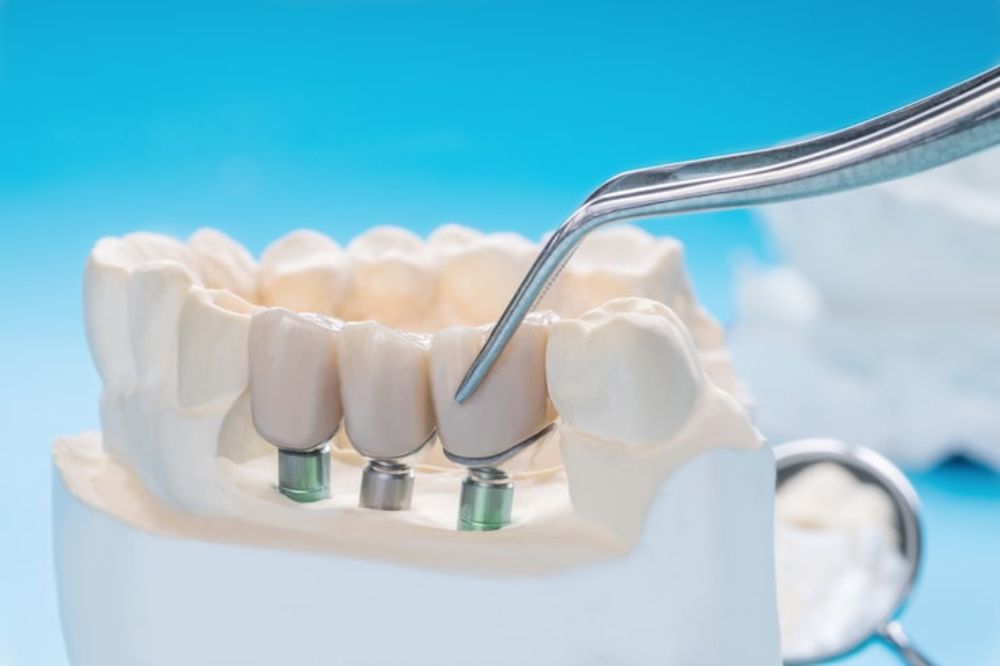
A bridge stays in place by attaching to the teeth on either side of the space. These are called anchor teeth. If these teeth are weak, decayed, or have very short roots, they cannot support the weight of a bridge. Putting a heavy bridge on weak teeth could cause them to crack or loosen. If the teeth next to the gap are not healthy enough, a professional will likely suggest a different path to keep your mouth safe.
Issues with Gum Health
Healthy gums act like a foundation for any dental work. If a person has active gum disease, the bone and tissue around the teeth are often swollen and weak. A bridge placed in a mouth with gum disease is likely to fail because the supporting tissues are unstable. Before getting a bridge, any gum infection must be fully healed. If the disease is too advanced, a bridge might never be a safe option for that person.
What Happens When Too Many Teeth Are Missing?
A bridge is designed to span a small gap, usually one or two teeth. If a person is missing a long row of teeth, a bridge might not be strong enough to handle the pressure of chewing. The longer the bridge, the more stress it puts on the anchor teeth. In these cases, a dentist near you might discuss dental implants or partial dentures instead. These alternatives provide better support for larger spaces without hurting the healthy teeth you still have.
How Bone Density Affects Your Choices
Despite a bridge being on top of the teeth, the bone beneath still plays a very important role. If a tooth has been missing for a long time, the jawbone in that area can shrink. A bridge does not go into the bone like an implant, but the gums and bone need to be even for the bridge to look natural and feel comfortable. If too much bone is lost, the bridge may leave a gap where food collects, making it harder to keep clean.
Exploring Other Dental Bridge Options
If a traditional bridge is not a fit, there are other dental bridge options to consider. For example, a Maryland bridge uses metal wings instead of crowns, which saves more of the natural tooth. However, even these have rules. If a person has a very strong bite or grinds their teeth at night, these smaller bridges might pop off frequently. A professional will look at how you chew to make sure the repair stays in place.
The Commitment to Fixed Bridge Care
A bridge is a permanent fixture that requires a lot of attention. People who struggle to maintain a daily cleaning routine might not be good candidates. Fixed Bridge Care involves using special tools to clean under the fake tooth every single day. If plaque builds up under the bridge, the anchor teeth will rot, and the whole piece will fall out. If a person cannot commit to this extra cleaning, a removable option might be a safer choice for their oral health.
Get Expert Advice on Your Smile
Deciding how to replace a missing tooth is an important step that needs careful guidance and skilled care. Our team at Hawaii Dental Clinic Downtown Honolulu supports you in understanding each part of your dental health simply. Care is planned to match your mouth so eating and speaking feel comfortable again. The aim stays on keeping your smile strong, healthy, and lasting for many years ahead.
Schedule your visit today.
Frequently Asked Questions
Can I get a bridge if I smoke?
Smoking slows down healing and increases the risk of gum disease, which can cause a bridge to fail much sooner than expected.
What if I grind my teeth at night?
People who grind their teeth put a lot of pressure on dental work, so they may need a mouthguard to protect the bridge from cracking.
Are children good candidates for a bridge?
Bridges are usually for adults because a child’s jaw is still growing and moving, which would cause a fixed bridge to become tight or crooked.
Is it possible to get a bridge if I have a metal allergy?
Yes, there are ceramic and porcelain versions that contain no metal, making them safe for people with sensitivities.