Maintaining a healthy smile doesn’t follow a set formula. People want to know how often they really need dental cleanings in Downtown Honolulu. Your oral health, habits, and risk factors determine the answer. Some people do fine with two visits a year. Some people may require more care.
The key is understanding what your teeth and gums truly need.
Regular cleanings are more than just polishing your teeth. They help prevent cavities, gum disease, and bad breath. They also allow your dentist to catch minor problems early, before they become costly or painful.
Why Dental Cleanings Matter
Even with daily brushing and flossing, plaque and tartar can build up. Once tartar hardens, it cannot be removed at home. Only a professional teeth cleaning can safely remove it.
Routine dental maintenance helps:
- Prevent gum disease
- Lower your risk of tooth decay.
- Remove stains from coffee, tea, or tobacco.
- Detect early signs of oral cancer.
- Protect existing dental work, like crowns or fillings.
Skipping cleanings can lead to bleeding gums, loose teeth, and even tooth loss over time.
How Often Do Most People Need Cleanings?
For many healthy adults and teens, every six months works well. But that schedule is not right for everyone.
Here is a simple guide:
| Oral Health Condition | Suggested Cleaning Frequency |
| Healthy teeth and gums | Every 6 months |
| Early gum disease (gingivitis) | Every 3–4 months |
| History of gum disease | Every 3 months |
| Smokers | Every 3–4 months |
| Diabetes or immune issues | Every 3–4 months |
| Frequent cavities | Every 4–6 months |
Your dentist in Downtown Honolulu will review your medical history, check your gum health, and measure pocket depths around your teeth before recommending a schedule.
Signs You May Need More Frequent Cleanings
Pay attention to what your mouth is telling you. You may need cleanings more often if you notice:
- Gums that bleed when brushing
- Persistent bad breath
- Swollen or red gums
- Heavy tartar buildup
- Tooth sensitivity near the gumline
These signs may indicate early gum disease. More frequent professional dental cleanings can prevent the problem from worsening.
Risk Factors That Affect Cleaning Frequency
Certain lifestyle habits and health conditions increase your risk for dental problems.
You may need extra care if you:
- Smoke or use tobacco
- Drink sugary beverages often.
- Have braces or dental implants.
- Have dry mouth
- Are pregnant
- Have a family history of gum disease.
In these cases, routine dental maintenance becomes even more critical. Preventive visits cost less and hurt less than major treatments later.
Children and Teens: Do They Need a Different Schedule?
Most children should also see the dentist every six months. However, kids who are prone to cavities may need visits every 3–4 months.
Sealants and fluoride treatments can help protect young teeth. Your dentist in Downtown Honolulu can suggest the right timing based on your child’s risk of cavities.
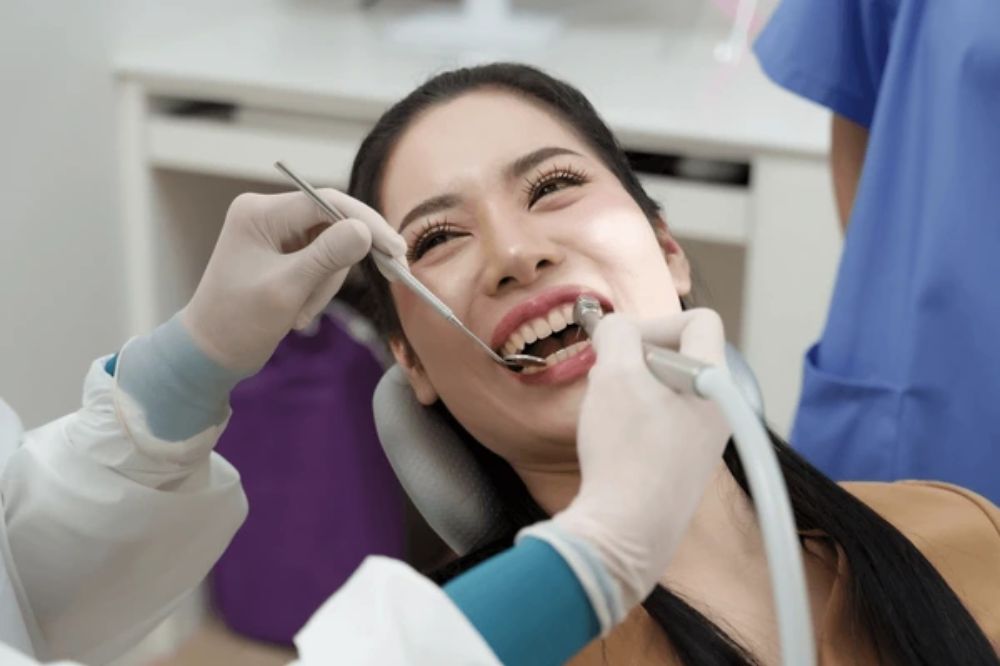
What Happens During a Professional Teeth Cleaning?
Understanding the process can ease anxiety.
A typical visit includes:
- Examination of teeth and gums
- Removal of plaque and tartar
- Deep cleaning around the gumline
- Polishing to remove surface stains
- Flossing between teeth
- Fluoride treatment if needed
If gum disease is present, your provider may recommend deep cleaning as part of treatment in Downtown Honolulu. This type of cleaning goes below the gumline to remove bacteria.
For patients who feel nervous, gentle preventive dental care for families in Downtown Honolulu is available to make the experience calm and comfortable.
Is It Ever Okay to Skip a Cleaning?
There’s a hustle. Not attending appointments allows plaque to turn into tartar. When that happens, brushing won’t fix it.
Delaying care often leads to:
- More expensive procedures
- Longer treatment times
- Increased discomfort
- Higher risk of infection
Think of cleanings as routine maintenance, like servicing your car. Small checkups prevent big repairs.
How to Decide What’s Right for You
The best cleaning schedule is based on:
- Your gum health
- Your cavity history
- Your medical conditions
- Your lifestyle habits
Be honest about your brushing and flossing routine. If you struggle with daily care, more frequent visits protect your smile.
Do not guess. Ask questions. A personalized plan keeps your teeth strong for years.
Conclusion
Choosing the right cleaning frequency protects your long-term oral health. Whether you need visits every six months or more often, consistent care makes all the difference.
If you are looking for trusted dental cleanings in Downtown Honolulu, Hawaii Dental Clinic – Downtown Honolulu is here to help. Our team focuses on preventive care, comfort, and personalized treatment plans. Stay ahead of dental problems before they start. Call today to book an appointment and keep your smile healthy and bright.
FAQs
How often should most adults get dental cleanings?
Most adults benefit from cleanings every six months, but those with gum disease or other risk factors may need visits every three to four months.
Are dental cleanings painful?
Most cleanings are not painful. You may feel mild pressure. If you have sensitive gums, let your provider know.
Can I brush and floss instead of getting cleanings?
Brushing and flossing are essential, but they cannot remove hardened tartar. Professional teeth cleaning is needed to protect your gums fully.
What happens if I skip routine dental maintenance for a year?
Skipping a year increases your risk of cavities, gum disease, and costly treatments. Regular visits help catch minor problems early.