
Root canal therapy is often the best option for tooth pain because it completely removes the infection while allowing you to keep your natural tooth. This treatment stops the pain at the source and prevents the need for an extraction, which helps maintain your natural smile and bite alignment.
Understanding Your Treatment Options
When you experience sudden or throbbing tooth pain, it is usually a sign that something is wrong inside the tooth. Ignoring this discomfort can lead to more serious health issues down the road. That is why visiting a qualified dentist in Downtown Honolulu is essential for a proper diagnosis and quick action. They can look at your X-rays to see if the soft tissue inside the tooth is damaged.
Many patients requiring root canal therapy in Downtown Honolulu discover that the process is efficient and brings them back to full health quickly. It is the most effective way to save a tooth that has been compromised by deep decay or trauma.
What Happens Inside a Damaged Tooth?
To understand why this treatment is necessary, we must look at the anatomy of a tooth. Your tooth has a hard outer layer called enamel. Inside that hard shell is a soft area known as the pulp. This pulp contains nerves and blood vessels that help the tooth grow.
When a cavity gets too deep or a tooth cracks, bacteria can enter the pulp. This causes an infection or an abscess. An infected nerve sends strong pain signals to your brain. If the infection is not removed, it can spread to the jawbone. This is why professional care is vital.
The Steps of the Treatment
Many people worry because they do not know what to expect during the appointment. The process is actually very similar to getting a routine filling. Your comfort is always the priority during the visit.
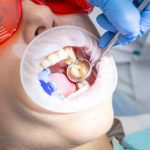
First, the doctor will numb the area completely so you do not feel anything. Once you are comfortable, they make a small opening in the top of the tooth. They carefully remove the infected or inflamed pulp from the inside. They then clean and shape the inside of the root canals. Finally, they fill the space with a biocompatible material and seal it. This standard root canal procedure is highly successful at clearing out bacteria and saving the tooth structure.
Why Not Just Pull the Tooth?
Some patients ask if it would be easier to extract the tooth. While pulling a tooth might seem like a quick fix, it often causes more problems in the long run.
When you lose a natural tooth, the teeth around it can shift. They may drift into space, which changes your bite. This can make chewing difficult and may even lead to jaw pain. To fix a missing tooth, you would need a bridge or a dental implant. These options often cost more and take more time than saving your original tooth.
Keeping your natural tooth is almost always the best choice for your long-term oral health. Your natural teeth are stronger and function better than any artificial replacement.
Finding the Right Care for You
It is important to choose a provider who makes you feel at ease. You want to ensure you are in a clean and modern environment. A quick search for a dentist near you can help you find a office that prioritizes patient comfort and education. The right team will explain every step of the process so you feel confident in your decision.
Managing Discomfort and Recovery
One of the biggest myths is that the treatment causes pain. In reality, the treatment is designed to eliminate pain. Most of the discomfort patients feel comes from the infection itself, not the dental work.
Once the infection is removed, the pressure inside the tooth is gone. This provides immediate relief for most people. You might feel some slight sensitivity for a few days after the appointment, but this is normal. Over-the-counter medication is usually enough to manage it. Achieving lasting tooth pain relief is the primary goal of this therapy.
Long-Term Benefits of Saving the Tooth
Choosing to save your tooth has many advantages that last a lifetime. First, you can continue to eat the foods you love. You do not have to worry about avoiding crunchy or chewy foods once the tooth is fully restored with a crown.
Second, you keep your natural appearance. A dental crown placed over the treated tooth looks exactly like your other teeth. No one will know you had work done.
Third, you protect your other teeth. By treating the infection, you stop it from spreading to neighboring teeth. This preserves the overall health of your mouth.
Common Signs You Might Need Therapy
It is helpful to know what symptoms to look for. Pain is the most common sign, but it is not the only one.
After drinking, you may notice sensitivity to hot or cold for a period of time. Your gums near the painful tooth may have swelling or a pimple, and often do. At times, the tooth feels sensitive when chewing or touching it. Tooth discoloration can also signal a certain condition. You should seek professional advice if you notice any of the following.
Protecting Your Smile for the Future
Root canal therapy is a safe and effective way to treat deep tooth infections. It allows you to keep your natural smile and avoid the complications of tooth loss. By addressing the problem early, you can get back to your daily life without pain or worry.
Hawaii Dental Clinic – Downtown is here to support your oral health journey. Our team focuses on providing gentle, compassionate care to help you feel your best. We invite you to schedule a consultation to discuss your options and ensure your smile stays healthy for years to come.
Frequently Asked Questions
Does the treatment hurt during the appointment?
Modern dentistry has made this process very comfortable for patients. Local anesthesia is used to numb the area before any work begins completely. Most patients report that the experience is no different than getting a regular cavity filled.
How long does the appointment usually take?
The length of the visit depends on which tooth is being treated. Front teeth usually have one root and take less time, often under an hour. Molars in the back have more roots and may take up to 90 minutes to clean and seal properly.
Will I need a crown after the treatment?
Yes, a crown is almost always recommended after the procedure is finished. Removing the pulp can make the tooth more brittle over time. Placing a crown over the tooth adds strength and protects it from cracking when you chew.
Is it expensive to get this treatment done?
The cost varies depending on the complexity of the issue. However, saving the tooth is generally more cost-effective than extracting it and replacing it with an implant or bridge. Most dental insurance plans cover a portion of this necessary restorative treatment.